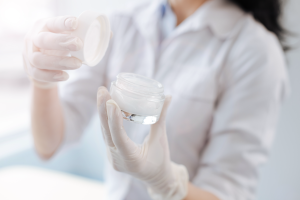
An investigation into the medical breakthrough that’s making injectable treatments obsolete
Every year, 7.4 million people get Botox injections.
The treatment involves injecting botulinum toxin—literally one of the most poisonous substances known to science—into your facial muscles to paralyze them.
When your muscles can’t contract, the wrinkles they create temporarily disappear.
It costs $300-600 per treatment. It lasts 3-4 months. Then you need it again.
Do the math: That’s $1,200-2,400 annually. For decades. Just to maintain results.
And here’s what the clinics don’t advertise: Botox doesn’t fix wrinkles. It freezes the muscles that cause them. The moment it wears off, those wrinkles come right back.
Botox vs. Topical: The Clinical Data

In 2019, researchers conducted a placebo-controlled study with 100 volunteers testing a synthetic peptide called SYN-AKE—a compound that mimics the muscle-relaxing effects of snake venom.
Unlike Botox, it could be applied topically.
The results after 28 days of twice-daily application:
- Wrinkle size reduced by 52%
- Effects visible within 10 minutes of application
- Wrinkle depth decreased by 50%
- Results lasted as long as the formula was used
But here’s what made researchers pay attention: Unlike Botox, this wasn’t temporary muscle paralysis. Ultrasound imaging showed the formula was actually filling wrinkles from within the dermis.
“Botox stops muscles from moving,” explains Dr. James Morrison, a biochemist who reviewed the research. “This formula actually repairs the structural damage that creates wrinkles in the first place.”
The Simple Physics Behind the Breakthrough

The key difference comes down to molecular size.
Botox molecules are massive—150,000 Daltons. They can only work when injected directly into muscles.
SYN-AKE molecules are just 240 Daltons—small enough to penetrate skin and reach the dermis where wrinkles form.
Here’s the number that matters: For any substance to penetrate human skin and reach the dermis, its molecules must be smaller than 500 Daltons.
Traditional collagen creams contain molecules of 15,000-50,000 Daltons. They physically cannot get through.
Botox is 150,000 Daltons. That’s why it requires injection.
But molecules of 240 Daltons? They can pass through skin’s natural barrier and reach where wrinkles actually form.
“This isn’t marketing,” notes Dr. Morrison. “It’s physics. Either molecules are small enough to penetrate or they’re not.”
What Makes This Different From Every Other “Botox Alternative”
Every few months, a new cream claims to be “better than Botox.”
They all fail for the same reason: their molecules are too large to penetrate skin.
This is different. Here’s why:
The formula uses molecules of 240 Daltons—proven in University of California research to be small enough to reach the dermis. It’s not a claim. It’s measurable fact.
In the same study, Grant-X (another key ingredient) reduced facial wrinkles by 50% within 10 minutes. Not over weeks. Within 10 minutes.
The University of Reading confirmed that Matrixyl 3000 (the third active ingredient) doubles collagen production. Not “may increase” or “helps support.” Doubles it.
The Formula Hidden in Plain Sight
The research was published in 2019. Any dermatologist could have accessed it.
Most ignored it.
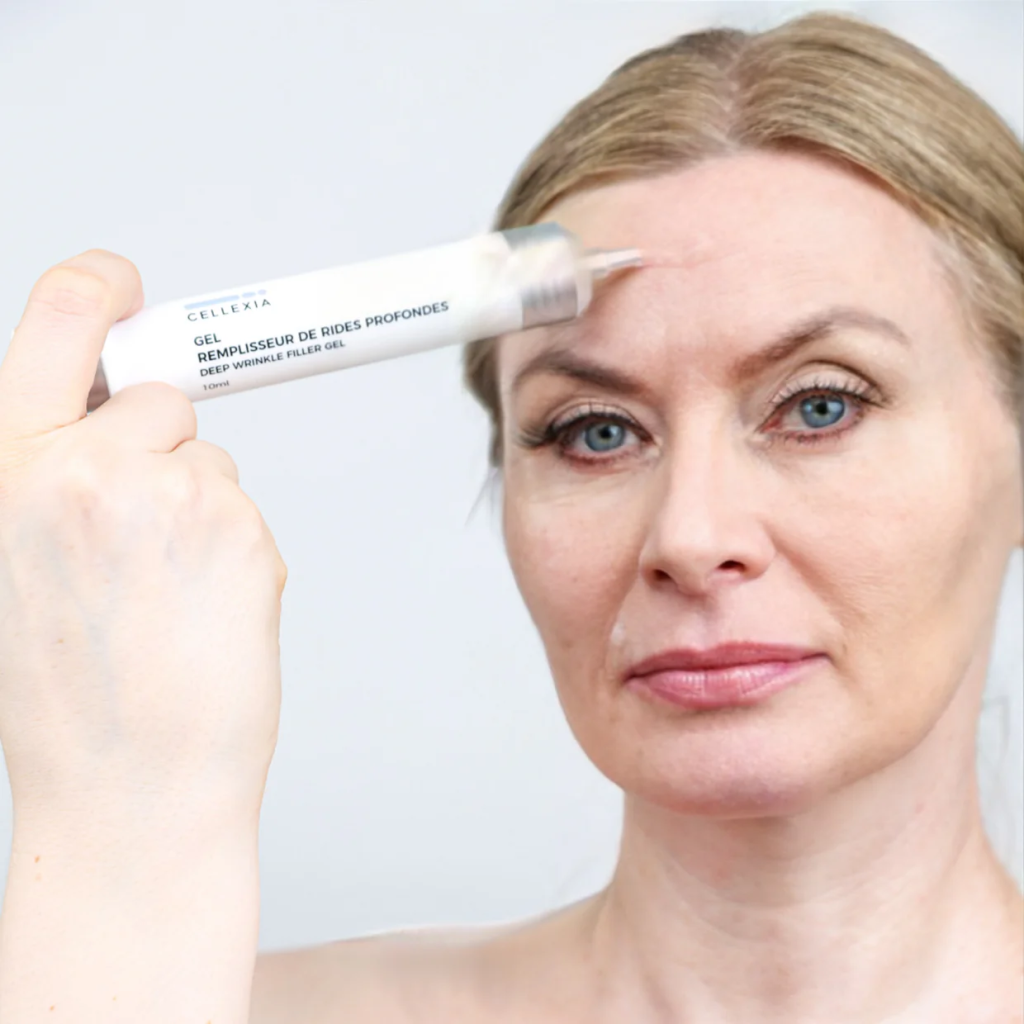
One small laboratory in Dublin didn’t. Cellexia licensed the SYN-AKE technology and combined it with micro-polymers small enough to penetrate skin’s natural barrier.
The result was Deep Wrinkle Filler Gel—a formula that both relaxes facial muscles like Botox AND physically fills wrinkles from within.
No needles. No paralysis. No appointments every three months.
The Independent Validation
Cellexia’s formulation caught the attention of Verbraucher Berichte—the German consumer association known for rigorous, unbiased testing.
They tested over 100 anti-wrinkle products using laboratory analysis.
Cellexia’s Deep Wrinkle Filler Gel was named their number one choice for 2025.
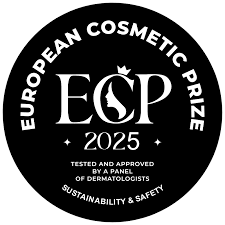
The formula also received the 2025 European Cosmetics Prize for innovative formulations—chosen by a jury of 27 independent experts who evaluated 350 brands.
These aren’t marketing awards. They’re scientific validations from organizations with reputations to protect.
Cellexia products are now used by dermatologists in 138 leading aesthetic clinics across Europe. Not sold to patients—used by the doctors themselves in their treatments.
What Botox Can’t Do (That This Formula Can)
Let’s be specific about the differences:
Botox:
- Requires injection every 3-4 months
- Costs $300-600 per treatment ($1,200-2,400 annually)
- Works by paralyzing muscles
- Results disappear when it wears off
- Requires appointments with licensed practitioners
- Can’t be used around eyes due to safety concerns
- Risk of complications, bruising, asymmetry
Micro-polymer formula with SYN-AKE:
- Applied twice daily like any cream
- Costs $57 for 2-month supply ($342 annually)
- Works by relaxing muscles AND filling wrinkles structurally
- Results accumulate over time with continued use
- Can be used at home
- Safe for use around eyes (27% firmness increase in clinical trials)
- No needles, no injections, no medical appointments
The 60-Day Test

Try the topical formula for 60 days. Use the entire tube. If it doesn’t visibly reduce wrinkles, return it—even empty—for a full refund.
Cellexia’s return rate over two years: 3%.
That means 97% of people who try it keep using it instead of going back to injections.
Compare that to Botox’s reality: You’ll need another treatment in 3-4 months. And another one after that. Forever.
The Mirror Test

Tomorrow morning, look at the wrinkles that bother you most.
If you’ve been getting Botox, those are the lines that will reappear in 3-4 months when your current treatment wears off. They always do.
If you haven’t tried Botox yet, those are the lines you’re considering spending thousands of dollars to temporarily paralyze away.
Now imagine those same wrinkles actually filled from within. Not frozen. Not hidden. Structurally repaired.
That’s the difference between masking a problem and solving it.
The Decision
Botox isn’t dying because it doesn’t work. It’s dying because something better exists.
Something that costs 85% less. Requires no needles. Produces comparable results in clinical trials. And actually repairs damage instead of temporarily hiding it.
The research is published. The clinical trials are documented. The formula is available.
The only question is whether you’re willing to try something that could eliminate the need for injections entirely.
Reader Update: Where to Find Cellexia’s Deep Wrinkle Filler Gel
Since publication, we’ve received hundreds of inquiries from people currently using Botox or considering their first treatment.
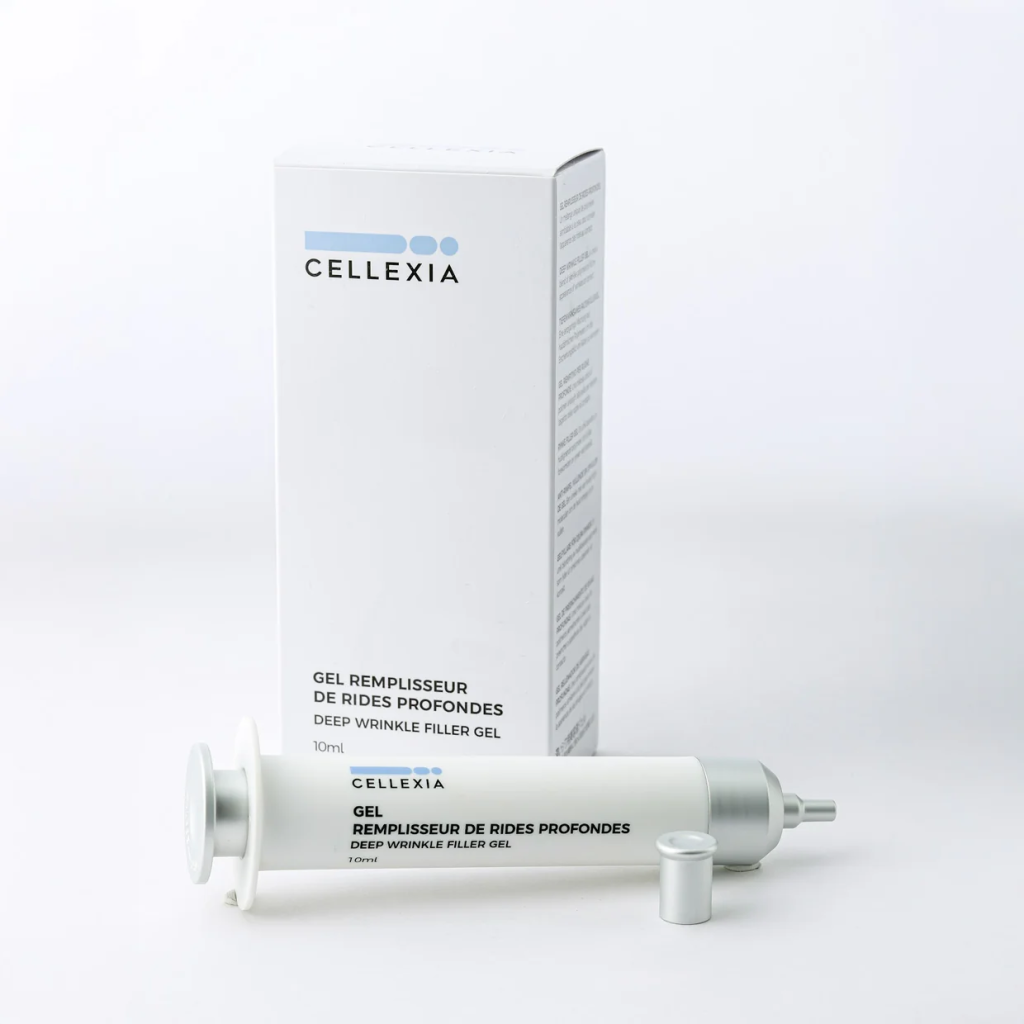
For clarity: Cellexia’s Deep Wrinkle Filler Gel is not sold in clinics or stores. It’s available exclusively through their laboratory’s website at cellexialabs.com.
Production is limited by the six-week formulation process required to maintain the molecular precision that makes skin penetration possible. When batches are available, they typically last 3-5 days based on normal demand.
Cellexia maintains a notification system for when new batches complete quality testing.