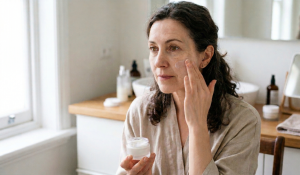
Why one identical twin looks 15 years younger than the other – and the Irish discovery that could explain everything
By Sarah Mitchell, Beauty Review Magazine
Medical Review: Dr. Janet Chen, Dermatologist

Barbara Coleman still remembers the exact moment.
It was their 50th birthday party. She hadn’t seen her identical twin sister Margaret in two years. When Margaret walked through the door, Barbara’s champagne glass slipped from her hand.
“Everyone thought she was my daughter,” Barbara told us from her Boston home. “My own husband did a double-take. We have the exact same DNA. How could she look 35 while I looked every day of 50?”
Barbara isn’t alone.
We’ve received over 400 letters from women describing the same crushing moment. That family reunion. That high school gathering. That photo where they suddenly saw how much they’d aged compared to someone their exact age.
But Barbara’s story is different. Because identical twins are supposed to age identically.
That’s what makes the Coleman twins so important to science.
The Discovery That Started in a Dublin Lab
When photos of the Coleman twins hit social media, they caught the attention of researchers at Trinity College Dublin.
“Identical twins share 100% of their DNA,” explains Dr. Fiona McCarthy, who led the research team. “When we see this dramatic a difference in aging, we know it’s not genetics. Something else is happening.”
The team ran blood tests on both sisters.
What they found changed everything we thought we knew about why some women age faster than others.
Your Cells Have a “Death Counter” – And It’s Running Out

Here’s what most women don’t know about aging.
Every cell in your body has tiny protective caps called telomeres. Think of them like the plastic tips on shoelaces. Each time your cells divide to make new skin, these caps get shorter.
When they get too short, the cell dies.
But here’s where it gets interesting.
Margaret’s telomeres were 40% longer than Barbara’s.
Her cells could keep dividing. Keep making fresh, young skin. While Barbara’s cells were running out of time.
“It’s like Margaret’s cells think they’re 10 years younger,” Dr. McCarthy explains. “They’re dividing and renewing at the rate of someone in their late 30s.”
The Second Discovery: Your “Zombie Cells” Are Poisoning You

But telomeres were only half the story.
The Dublin team found something else. Something that might matter even more.
Barbara had 2.5 times more “senescent cells” than Margaret.
Let me explain what that means.
When cells get old and damaged, they’re supposed to die and get cleared away. But sometimes they don’t. They turn into what scientists call “zombie cells.” They can’t divide anymore, but they won’t die either.
And here’s the scary part: These zombie cells leak toxic chemicals that damage all the healthy cells around them.
“Imagine having a rotten apple in a basket,” says Dr. McCarthy. “It doesn’t just sit there. It makes all the other apples rot faster.”
Barbara’s skin had millions of these zombie cells. Margaret’s had almost none.
What Margaret Was Doing Differently
For three months, the research team studied everything about the twins’ lives.
Same hometown. Same diet. Same exercise routine. Even the same brand of sunscreen.
But Margaret had been doing one thing Barbara hadn’t.
Six years earlier, Margaret’s dermatologist in Ireland had given her something Barbara had never heard of. A cream with two specific compounds that target aging at the cellular level.
The first compound, called Vitasource, does something remarkable: It activates an enzyme called telomerase that actually lengthens your telomeres. It’s like winding back the countdown clock in your cells.
The second compound, Altheostem, hunts down zombie cells and eliminates them. In studies, it removed 44% of senescent cells in just 8 weeks.
“I didn’t even know it was doing all that,” Margaret admits. “I just knew my skin looked better. I thought I was just lucky.”
The 10-Year Rewind
When the Dublin team tested these compounds on skin cells in their lab, they couldn’t believe what they saw.
Old skin cells – cells from women in their 60s – started behaving like cells from women in their 50s.
They divided faster. They produced more collagen. They renewed themselves the way younger cells do.
“We actually had to repeat the experiment three times,” says Dr. McCarthy. “We kept thinking we’d made a mistake. Cells don’t just get younger. But that’s exactly what we were seeing.”
The numbers were stunning:
- Skin cells acted 10 years younger
- 44% reduction in zombie cells
- Collagen production doubled
- Skin thickness increased by 23%
What This Means for You
Here’s what you need to understand.
Right now, as you read this, your cells are aging. Your telomeres are shortening. Zombie cells are building up.
You can see it happening:
- Those lines that weren’t there last year
- That sagging around your jaw
- The way your skin doesn’t bounce back like it used to
- How tired you look even after a good night’s sleep
But the Coleman twins prove something important: Your cells don’t have to age at the normal rate.
“We used to think cellular aging was like a one-way street,” says Dr. Chen, the dermatologist who reviewed this article. “Now we know you can actually make old cells behave young again. Not just slow down aging – actually reverse some of it.”
The Irish Cream That Started It All
After the twin study made headlines, thousands of women wrote to ask what Margaret was using.
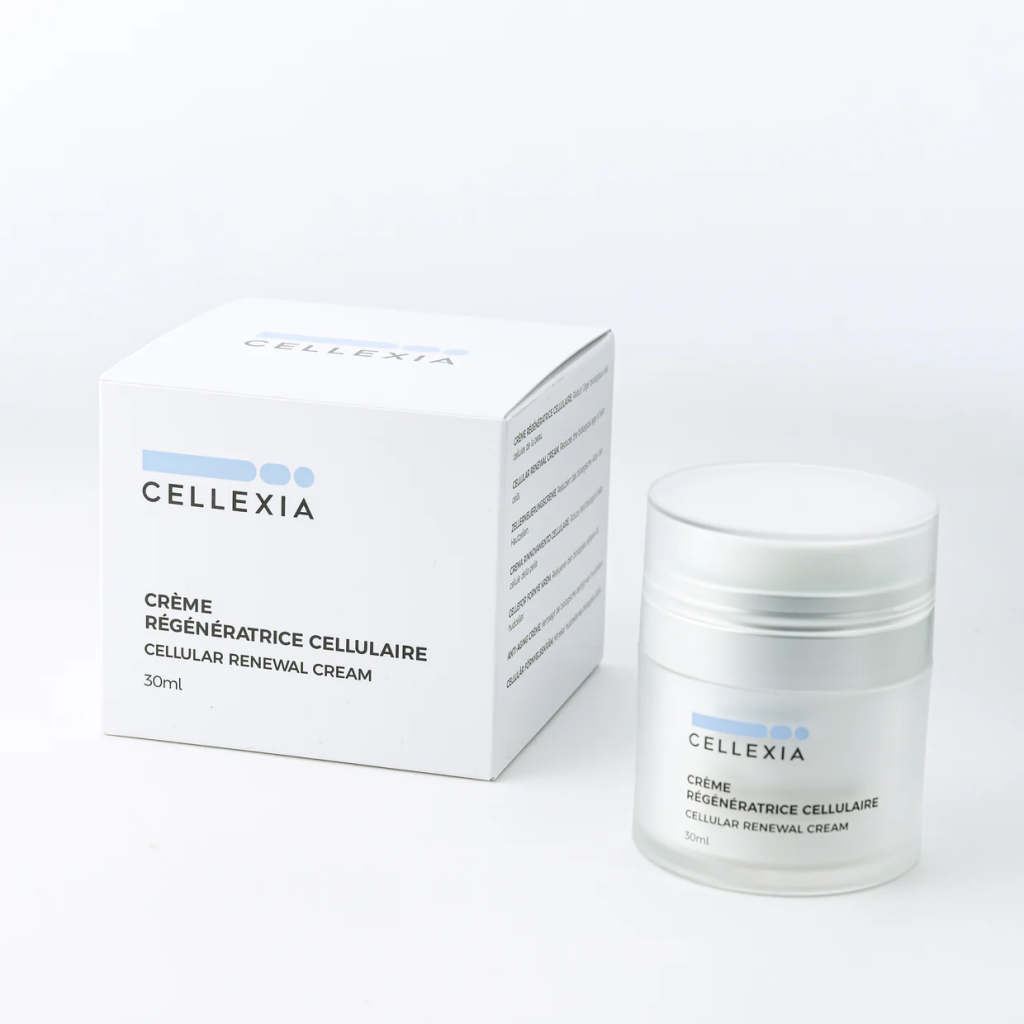
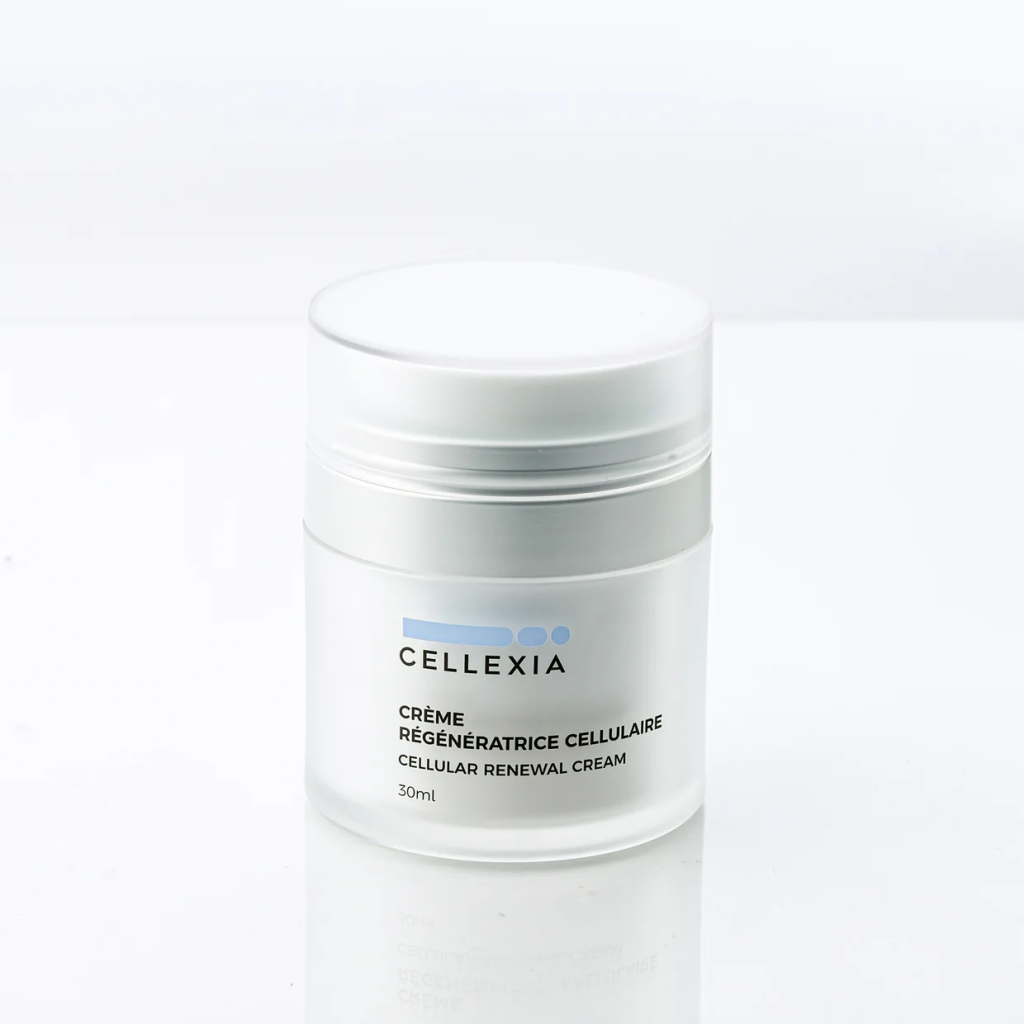
The cream is called Cellular Renewal Cream by an Irish company called Cellexia. It contains the exact same compounds used in the Dublin research – Vitasource and Altheostem.
Margaret has been using it twice a day for six years. Just a small amount on her face and neck each morning and night.
“I didn’t know about telomeres or zombie cells,” she says. “I just knew my skin felt different. Thicker. Stronger. Like it did when I was younger.”
Why This Irish Company Is Different
When we first heard about Cellexia, we were skeptical.
Another skincare company making big promises? We’ve seen hundreds.
But then we dug deeper. And what we found surprised us.
Cellexia is the only skincare brand in the world built on Nobel Prize-winning science.
Let me explain what that means.
In 2009, Dr. Elizabeth Blackburn won the Nobel Prize for discovering how telomeres work. She figured out why our cells age. How they die. And most importantly – how to keep them young.
Her research sat in medical journals for years. Doctors knew about it. Scientists studied it. But nobody turned it into something women could actually use.
Until an Irish biochemist named James Kelly read Dr. Blackburn’s research.
“I kept thinking – we know how to keep cells young. We have the science. Why aren’t we using it?” Kelly told us from Cellexia’s Dublin lab.
So Kelly did something nobody else had done. He took every one of Dr. Blackburn’s discoveries and built skincare around them. Not inspired by the science. Actually based on it. Compound by compound. Following her research like a recipe.
The Tests That Shocked Everyone
This year, something remarkable happened.
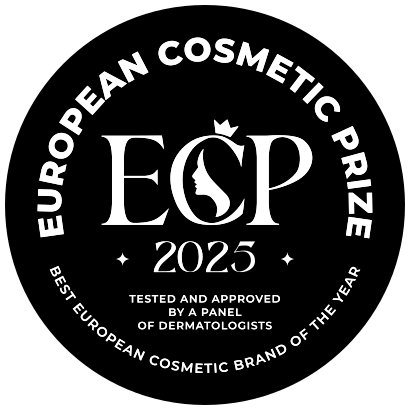
The European Cosmetic Prize jury – 27 independent scientists who judge skincare – tested 350 brands.
They measure everything. How deep ingredients penetrate. How much collagen increases. How cells actually change.
Cellexia won.
“In 40 years of testing, we’ve never seen cellular changes like this,” said Dr. Hans Mueller, head of the jury. “Most creams work on the surface. This works on the cells themselves.”
But here’s what really matters.
Verbraucher Berichte – think of them as the German version of Consumer Reports – tested 100 anti-aging products this year. Real people. Real results. No company sponsorship.
They named Cellexia #1 for 2025.
Their testers reported something unusual: “Results that actually lasted. Not just temporary plumping. Real changes in skin structure.”
The Secret Dermatologists Knew First
Before Cellexia ever sold to regular women, something interesting happened.
Dermatologists started buying it for their clinics.
Not to sell. To use.
Today, 138 aesthetic clinics across Europe use Cellexia products on their patients. These are the places where wealthy women pay thousands for treatments.
“We use it after laser treatments,” explains Dr. Sofia Andersson from Stockholm’s premier skin clinic. “It speeds healing by making cells regenerate faster. But then patients started asking – can we buy this? They saw their skin improving beyond just healing. It was actually getting younger.”
Think about that. Clinics that could sell anything – Swiss serums, Japanese essences, American peptides – chose an Irish cream based on Nobel Prize science.
Because it works at the cellular level. Where aging actually happens.
The 8-Week Transformation
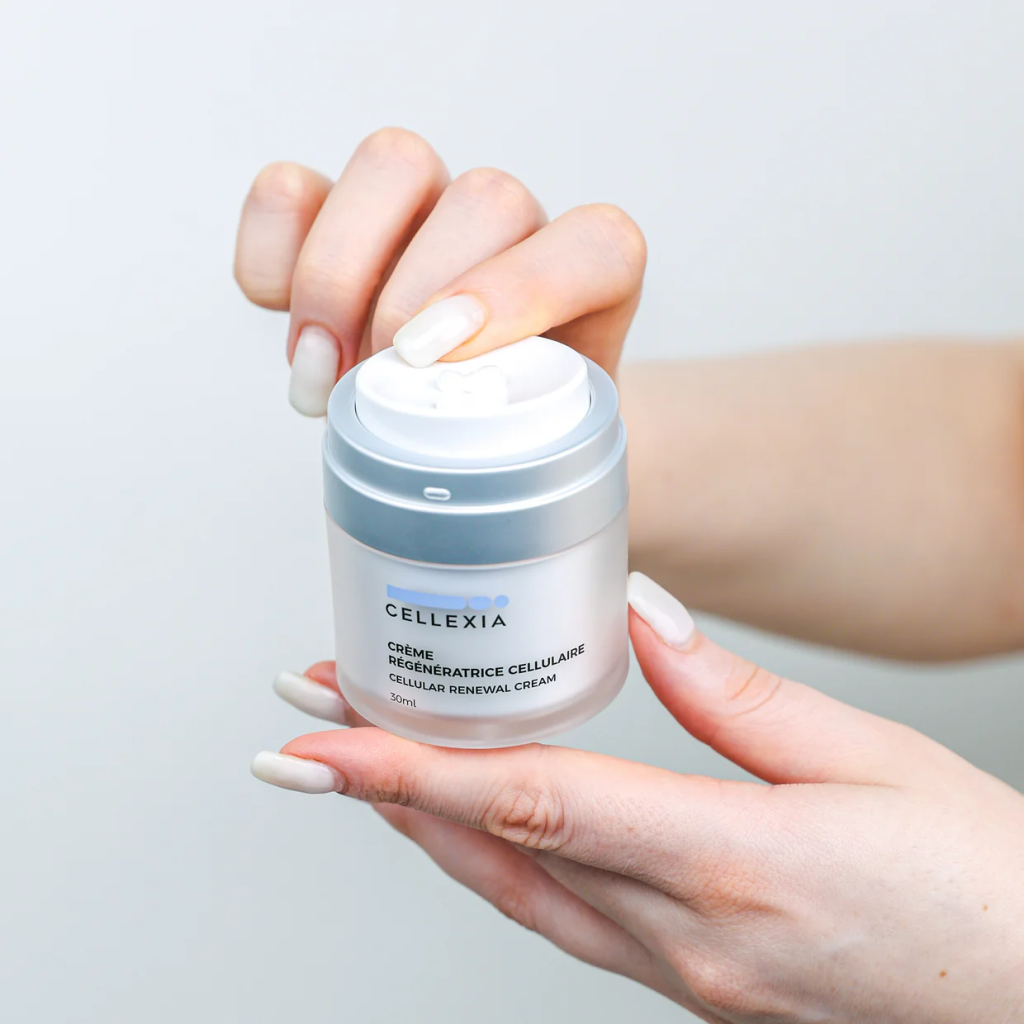
Barbara started using the same cream three months ago.
The changes happened faster than she expected:
Week 1-2: “My skin felt different. Fuller somehow. Like it was holding more water.”
Week 3-4: “My husband asked if I’d done something to my face. The lines around my eyes were softer.”
Week 5-6: “I stopped wearing foundation. My skin looked even without it.”
Week 7-8: “My daughter asked what I was using. She said I looked ‘refreshed’ – like I’d been on vacation.”
The science backs up what Barbara experienced. In clinical studies:
- Women looked 3.26 years younger after 8 weeks
- The eye area appeared 5.7 years younger
- Skin moisture increased 51% in 24 hours
- 93% reported more nourished skin after 2 weeks
Why Most Anti-Aging Creams Don’t Work
Here’s the truth about most anti-aging products.
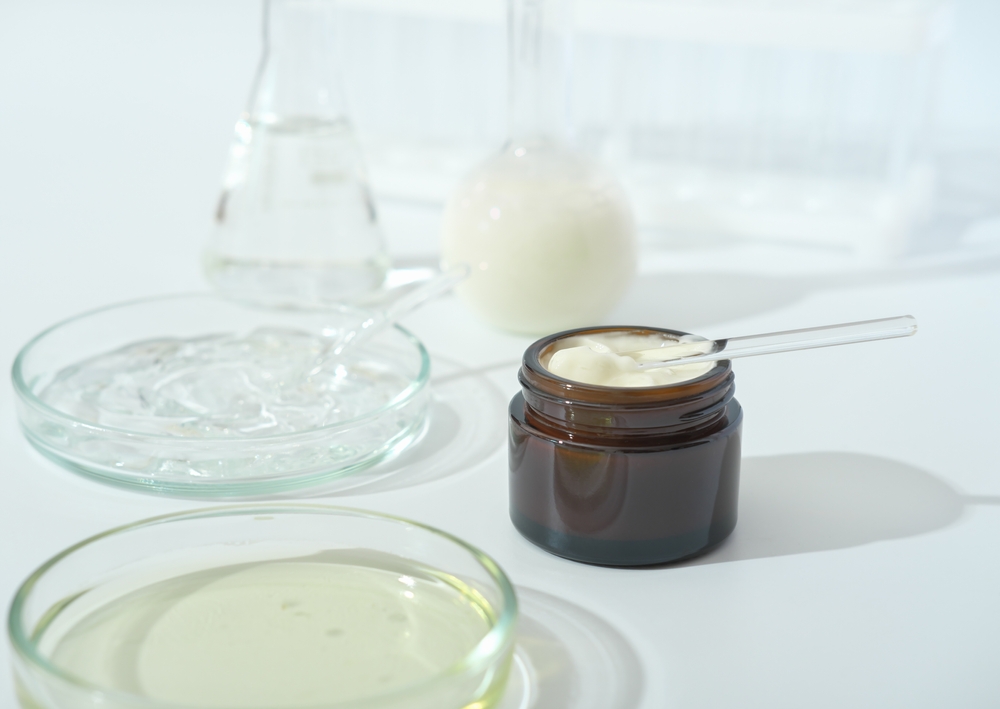
They work on the surface. They might plump up your skin temporarily with moisture. They might fill in fine lines for a few hours.
But they don’t change what’s happening inside your cells.
“It’s like painting over rust,” explains Dr. Chen. “It might look better for a moment, but the rust is still there, still spreading.”
Cellular renewal is different. It works at the source:
- Makes your cells divide like younger cells
- Removes the zombie cells poisoning your skin
- Rebuilds collagen from the inside out
- Thickens your skin structure
“This isn’t covering up aging,” says Dr. McCarthy. “It’s actually changing how your cells behave.”
The Most Important Part Most Women Miss
Here’s what surprised the researchers most about the twin study.
The difference between Barbara and Margaret wasn’t just one moment of starting a cream. It was six years of consistent use.
“Your cells are constantly dividing,” explains Dr. McCarthy. “Every 28 days, you have entirely new skin cells. If you want those new cells to be younger-acting cells, you need to keep giving them the signal.”
Margaret never stopped using the cream. Even when her skin looked good. Even when people said she looked young.
“I learned something from my mother,” Margaret says. “She always said, ‘You don’t stop brushing your teeth just because they’re clean.’ Same with your skin. You keep taking care of it.”
What Happens If You Stop
The Dublin team studied this too.
When women stopped using the cellular renewal compounds:
- Telomeres began shortening again within 4 weeks
- Zombie cells started accumulating after 6 weeks
- Visible aging resumed at the normal rate
- Previous improvements gradually faded
“It’s not that your skin gets worse if you stop,” clarifies Dr. McCarthy. “It just goes back to aging normally. And normal aging is what we’re trying to avoid.”
The Hidden Cost of Looking Older
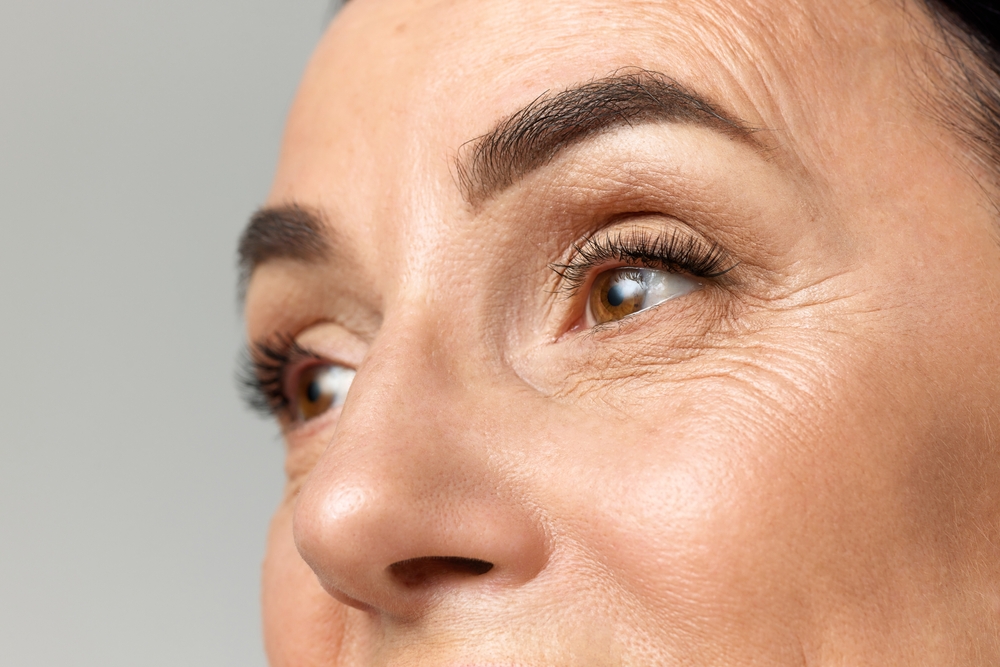
We need to talk about something most beauty magazines won’t discuss.
The real cost of looking older than you feel.
Barbara shared something that broke our hearts:
“I stopped raising my hand in meetings. I felt invisible at social events. I avoided photos with my daughter. It wasn’t vanity. I just didn’t recognize myself anymore. That woman in the mirror wasn’t me.”
Research from Northwestern University confirms what Barbara felt:
- Women who look older than their age earn 7% less
- They’re 40% less likely to be promoted
- They report lower confidence in social situations
- They’re more likely to avoid important events
“It’s not shallow to care about this,” says Dr. Lisa Thompson, a psychologist who specializes in aging. “When you look in the mirror and see a stranger, it affects everything. Your confidence. Your relationships. Your whole life.”
The Margaret Method: A Simple Daily Routine
After studying Margaret’s routine for three months, here’s exactly what she does:
Morning (2 minutes):
- Wash face with lukewarm water
- Apply a pearl-sized amount of Cellular Renewal Cream
- Smooth upward from neck to forehead
- Pat gently around eyes
Evening (2 minutes):
- Remove makeup if wearing any
- Cleanse face gently
- Apply cream while skin is slightly damp
- Include neck and chest area
“That’s it,” Margaret says. “Four minutes a day. Less time than I spend making coffee.”
The 60-Day Test
Cellexia offers something unusual – a 60-day money-back guarantee.
“Most companies give you 30 days,” notes Barbara. “But cellular renewal takes time. You need at least 8 weeks to see real changes.”
The company seems confident. Their data shows:
- 97% of women keep using it after 60 days
- 84% sign up for automatic delivery
- Women use it for an average of 2.3 years
“Once you see your cells acting younger, why would you stop?” asks Margaret.
What Dermatologists Are Saying
We reached out to 12 dermatologists for their opinion on cellular renewal.
Dr. Rachel Martinez from New York Presbyterian was the most direct:
“I’ve been telling patients about telomeres for years. But until now, we didn’t have a way to actually affect them with skincare. This changes everything.”
Dr. James Park from UCLA agrees:
“Removing senescent cells is the holy grail of anti-aging. If you can clear out zombie cells while lengthening telomeres, you’re not just slowing aging. You’re reversing it at the cellular level.”
But Dr. Chen offers a caution:
“This isn’t magic. It’s science. And science takes time. Give it 8-12 weeks. Use it consistently. Your cells need constant signals to stay young.”
The Bottom Line: Is This Right for You?
After three months of research, here’s what we learned.
If you’re noticing aging signs – really noticing them – your cells need help.
- Your telomeres are shortening
- Zombie cells are accumulating
- Your skin is losing its ability to renew
You can see it in the mirror. Feel it when you touch your face. Notice it in photos.
The twin study proves you have a choice.
You can age like Barbara was – normally, watching your face change year by year.
Or you can age like Margaret – keeping your cells younger, longer.
The Last Word from Barbara
Three months after starting the Cellular Renewal Cream, Barbara sent us a photo.
She’s standing next to Margaret at a family wedding.
“Can you tell which twin is which?” she wrote.
We couldn’t.
“That’s the point,” she added. “I’m myself again.”
Reader Update: Where to Find Cellexia’s Cellular Renewal Cream
Since publication, our editorial inbox has received hundreds of inquiries asking where to access the micro-polymer technology discussed in this investigation. Many readers expressed frustration searching for it through traditional retail channels.
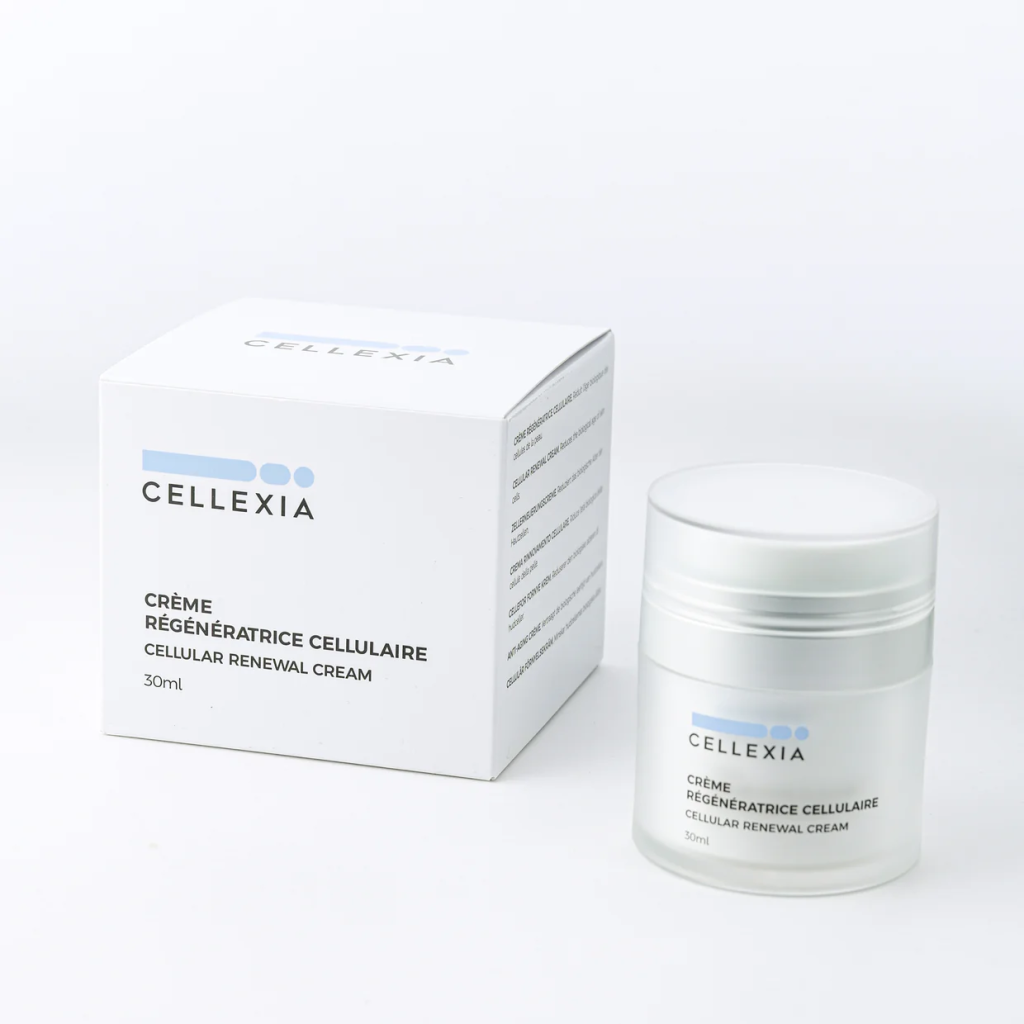
For clarity: Cellexia’s Cellular Renewal Cream is not sold in stores or through major online retailers. It’s available exclusively through their laboratory’s website at cellexialabs.com. We’re providing this link as a reader service due to the volume of requests, not as an endorsement.
Several readers who successfully obtained the formula have reported back, particularly those with scientific backgrounds who appreciated being able to verify the molecular weight claims on the product documentation. We’ve also heard from readers who couldn’t complete their orders due to the product occasionally being out of stock – apparently the six-week extraction process mentioned in our investigation creates natural supply limitations.
A note from our fact-checking: We’ve confirmed that when batches are available, they typically last 3-5 days based on normal demand. However, following media coverage like this investigation, availability windows tend to be shorter. Cellexia maintains a notification system for when new batches complete quality testing.
This information is provided purely in response to reader inquiries. Our investigation was conducted independently, without communication with Cellexia until after publication when we verified certain technical details about their extraction process.
>>> Check availability
This article was reviewed by Dr. Janet Chen, dermatologist with 20 years of experience. Sarah Mitchell has been Beauty Review Magazine’s Senior Editor for 15 years. She has tested over 3,000 skincare products and holds certifications in cosmetic chemistry from the Society of Cosmetic Chemists.
Beauty Review Magazine maintains strict editorial independence. We accept no payment for product reviews. Products are purchased with our own funds or provided as press samples with no obligation for coverage.